The story behind the hymn
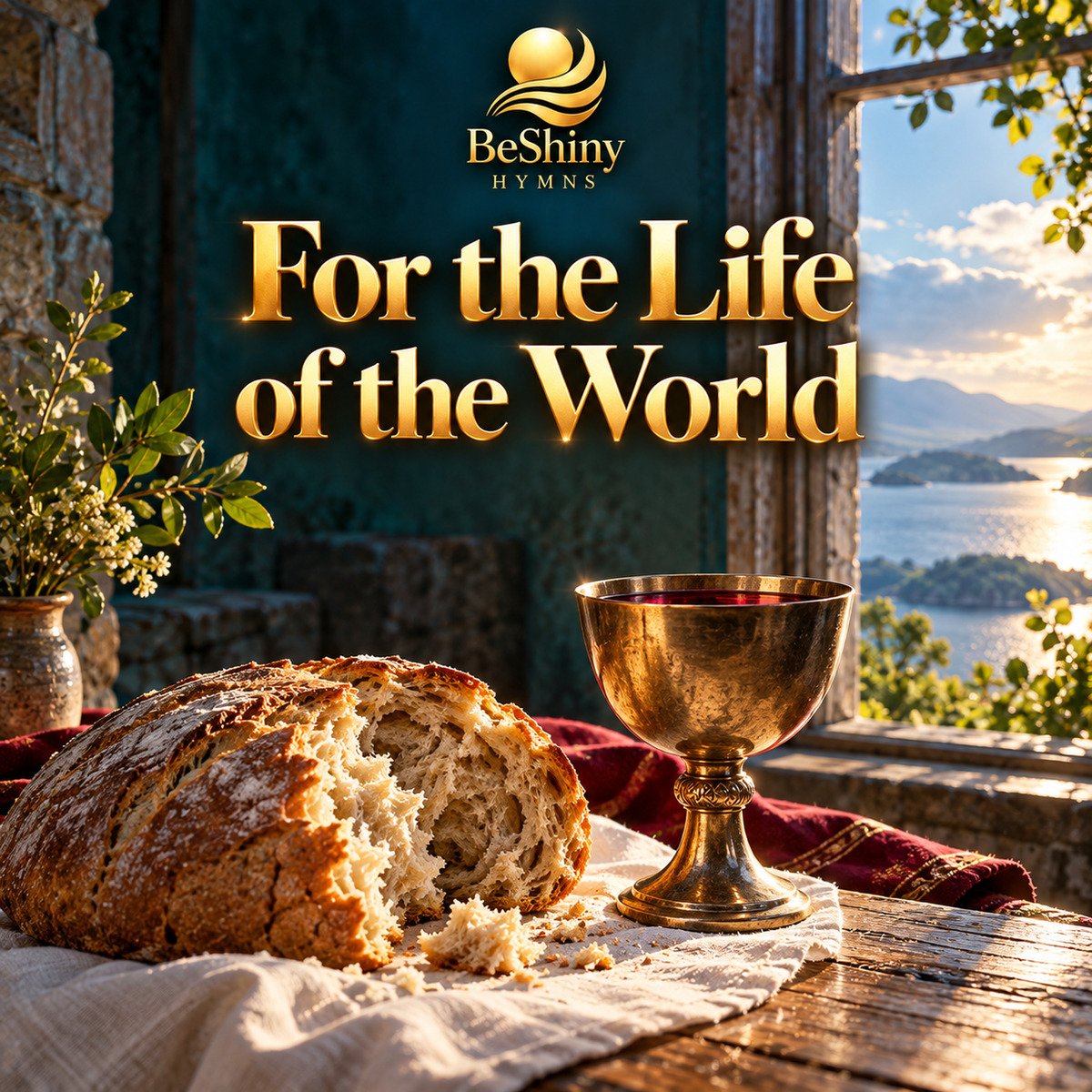
The hymn opens with the incarnation and the apostolic witness to Jesus’ living presence. Its verses remember His touch, His healing works, the fragrance of anointing and the bread and cup of the supper. The cross and resurrection stand at the centre: Christ gives Himself for the world, defeats the powers and brings His people into His life. The recurring chorus gathers these themes into thanksgiving, trust and proclamation of the Lamb’s victory.
At the hymn’s still centre, the gathered Church asks the Father to send His Spirit upon the gifts and the people. Communion opens into transformation: hearts unveiled, Christ’s likeness formed within us, and His life made visible through human weakness. The final verses ask for boldness, healing and a generous sending. The table therefore belongs within a wider movement of worship and witness, as those who share the life of Christ carry His welcome, mercy and hope through the doors of the world.
The Scripture behind the hymn
The hymn confesses a real participation, by grace through faith, in the saving life of the incarnate, crucified and risen Son. Its epiclesis asks the Father for the Spirit upon bread, wine and the gathered household, expressing BeShiny’s sacramental understanding of communion. Christ’s victory forms a people who worship, endure, pray for healing and bear faithful witness. The transformation sought is shared and embodied: the Spirit forms Christ’s likeness in His people and sends them in love into the world for which He gave Himself.
The musical setting
The arrangement is shaped around a clear young male tenor with Hebridean inflection, Scottish Highland bagpipes, wire-strung clarsach, smallpipe drones and low bowed strings. Free verses open into broad choruses, with a hushed central prayer and an unhurried final doxology.